


How Can EU Standard Green Tea Chunmee 41022 Meet Buyers' Needs?
Article Summary
EU Standard Green Tea Chunmee 41022 is a Chinese green tea export grade known for its slender, eyebrow-shaped leaves, green-to-gray-green appearance, and strong, refreshing cup profile. For importers, wholesalers, tea brands, and food-service businesses, selecting the right lot involves more than comparing prices. Buyers need to evaluate dry-leaf appearance, aroma, liquor color, taste, moisture protection, packaging suitability, and destination-market compliance. This guide explains how to assess Chunmee 41022, prepare a consistent cup, verify supplier documentation, and plan bulk purchases with fewer quality and logistics uncertainties. It also outlines practical questions to ask before requesting samples or confirming a commercial order from ZheJing WuYi Tea Industy CO., Ltd.
01 · Product Overview
What Is EU Standard Green Tea Chunmee 41022?
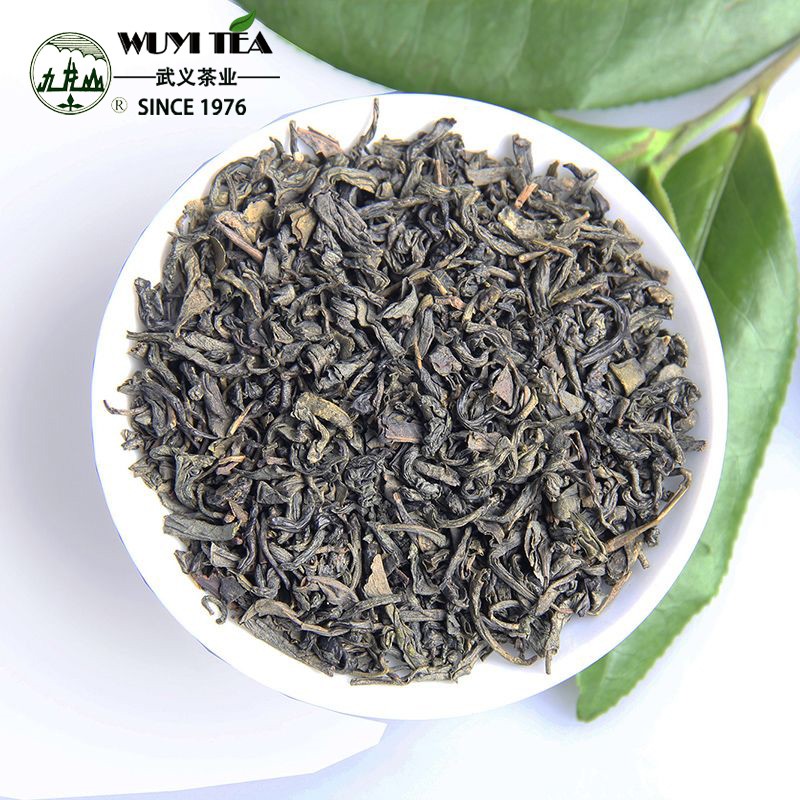
Chunmee, also written as Chun Mee, is a traditional Chinese green tea named for the slender, curved shape of its processed leaves. The name is commonly translated as "precious eyebrow," referring to the distinctive appearance that makes this tea recognizable in the dry-leaf state.
EU Standard Green Tea Chunmee 41022 is a commercial tea designation used in export trade. The 41022 code identifies a particular Chunmee style or grade reference; it should not be interpreted as a complete statement of pesticide-residue compliance, organic status, or automatic approval for sale in every European market.
The product offered by ZheJing WuYi Tea Industy CO., Ltd. is described as having firm, relatively fine, uniform strips, a gray-green to dark-green appearance, a fresh fragrance, and a rich, brisk taste. Its exact appearance and cup profile can vary according to the production lot, processing conditions, and storage history.
For international buyers, Chunmee 41022 can be considered for loose-leaf tea sales, wholesale distribution, repacking, and tea blending. The best application depends on the approved sample, the buyer's quality requirements, and the expectations of the target market.
Important purchasing principle: Treat the grade code as a starting reference, then confirm the actual product through a representative sample and a written specification covering the shipment.
02 · Sensory Profile
Key Characteristics of EU Standard Green Tea Chunmee 41022
1. Slender and Uniform Tea Leaves
Chunmee is recognized by its narrow, slightly curved strips. A well-sorted lot should have a reasonably consistent appearance appropriate to the agreed grade. Buyers should examine leaf size, color, broken particles, stalk content, and visible foreign matter rather than relying on photographs alone.
2. Fresh and Distinctive Aroma
A clean green tea aroma is an important quality indicator. Depending on the lot and processing, Chunmee may present fresh, vegetal, roasted, or slightly toasted notes. The aroma should be evaluated for freshness and consistency, with particular attention to any musty, sour, smoky, or foreign odor that falls outside the agreed specification.
3. A Brisk and Full-Bodied Taste
Chunmee 41022 is often selected by buyers seeking a noticeable green tea character. Its cup may be brisk, slightly astringent, or pleasantly bitter, depending on the leaf, water temperature, and infusion time. A strong flavor can be useful in products designed for consumers who prefer a more pronounced tea taste.
4. Yellow-Green to Greenish Liquor
The brewed liquor commonly appears within a yellow-green range, although the exact shade varies with the material and brewing method. Color should be assessed under consistent lighting and with the same water and infusion conditions used for sample comparisons.
| Quality Attribute | What Buyers Should Check |
|---|---|
| Dry leaf | Slender strips, consistent grade appearance, acceptable sorting |
| Color | Reasonably uniform green or gray-green appearance for the agreed lot |
| Aroma | Clean and characteristic, without unwanted foreign odors |
| Liquor | Consistent color and clarity under the agreed brewing method |
| Taste | Expected strength, briskness, bitterness, and aftertaste |
| Physical condition | Acceptable moisture, foreign matter, dust, and broken-leaf levels |
These observations are practical sensory checks, not substitutes for laboratory analysis or destination-market compliance testing.
03 · Compliance and Documentation
What Does EU Standard Mean for Tea Buyers?
For importers selling green tea in Europe, the phrase "EU Standard" should prompt a clear discussion about regulatory requirements, product testing, traceability, and supporting documents. A trade-grade name alone does not establish that a specific consignment complies with all applicable European Union rules.
Pesticide Residue Requirements
Tea importers must assess pesticide residues against the applicable maximum residue levels for the product and intended market. Requirements can depend on the substance, commodity classification, and rules in force at the time of import. Buyers should identify the relevant testing panel and acceptance limits before production or shipment.
Food Safety and Traceability
Commercial buyers should establish how the supplier identifies production lots, records raw material information, manages storage, and handles complaints or nonconforming products. Clear lot identification helps connect test reports, packaging records, shipping documents, and retained samples to the same consignment.
Certificates and Laboratory Reports
Ask which documents are available for the exact product and lot. Depending on the commercial arrangement, these may include a product specification, certificate of analysis, pesticide-residue report, applicable food safety documentation, and relevant management-system certificates.
HACCP and ISO-related documents, for example, must be interpreted according to their scope and validity. A company's management-system certificate is not automatically proof that every batch meets every legal requirement. Organic claims also require the appropriate certification and documentation when applicable.
Labeling and Import Responsibilities
Requirements may differ depending on whether the tea is sold as a prepacked retail product, supplied in bulk for repacking, or used as an ingredient. Importers should confirm the applicable labeling, traceability, packaging, and food-contact requirements with their compliance team or competent adviser.
Before placing an order: Confirm the destination country, applicable residue limits, required tests, documentation format, and the party responsible for arranging each test. Request lot-specific evidence instead of relying solely on general marketing statements.
04 · Quality Control
How to Evaluate Chunmee 41022 Quality Before Buying
One of the most common sourcing problems is a difference between the sample approved before ordering and the product delivered in bulk. A structured evaluation process helps reduce this risk and gives both parties a clear quality reference.
Step 1: Inspect the Dry Leaves
Examine the sample under consistent lighting. Check leaf shape, size distribution, color, visible dust, broken particles, stalks, and foreign matter. Record the acceptable ranges or agree that the approved reference sample will be used for sensory and visual comparison.
Step 2: Compare Aroma and Liquor
Brew the sample using a fixed tea-to-water ratio, water temperature, and infusion time. Record the dry-leaf aroma, wet-leaf aroma, liquor color, strength, bitterness, astringency, and aftertaste. Use the same procedure for every supplier to avoid misleading comparisons.
Step 3: Check Moisture and Laboratory Parameters
Green tea quality can deteriorate when moisture protection is inadequate. Buyers should specify the agreed moisture limit and request suitable test results. Depending on the destination and contract, additional checks may cover pesticide residues, contaminants, and other applicable food safety parameters.
Step 4: Evaluate Batch Consistency
For recurring orders, compare production lots against the approved sample and written specification. Establish procedures for sample retention, inspection, and the resolution of disagreements. If color, taste, or leaf appearance is commercially important, make those requirements explicit in the purchase agreement.
Step 5: Confirm Packing and Shipping Conditions
Inspect packaging materials, inner liners, seals, carton or bag condition, labels, and lot codes. Tea should be protected from moisture, heat, strong odors, and physical damage throughout transport and storage.
05 · Preparation Guide
How to Brew Chunmee Green Tea Consistently
Consistent brewing is essential when buyers compare samples or develop instructions for retail customers. Water temperature, leaf quantity, infusion time, and water quality all affect the resulting cup.
A Practical Starting Method
- Tea quantity: Start with approximately 2–3 grams of tea per 200 ml of water.
- Water temperature: Begin around 80–85°C for a balanced green tea cup. Adjust according to the sample and desired strength.
- Infusion time: Start with 1–2 minutes and adjust gradually to taste.
- Water quality: Use clean drinking water with a neutral, pleasant taste.
- Evaluation: Record the exact conditions so that subsequent samples can be compared fairly.
These are suggested starting parameters, not a mandatory product specification. A particular Chunmee lot may require adjustments to achieve the desired flavor profile.
How to Reduce Excessive Bitterness
If the tea tastes too bitter or astringent, reduce the water temperature, shorten the infusion, or decrease the leaf quantity. If the cup is too weak, make small adjustments and repeat the test rather than changing several variables at once.
Can Chunmee Be Served with Sugar or Mint?
Yes. Depending on local preferences, Chunmee can be served plain or prepared with sugar, mint, or other suitable additions. For B2B buyers, the preferred serving method can influence product positioning, brewing instructions, and the sensory profile expected by consumers.
06 · Commercial Applications
Commercial Applications and Target Markets for Chunmee 41022
Chunmee green tea can serve different commercial channels depending on its quality, price, packaging, and flavor characteristics. The most suitable application should be determined through customer research and product testing.
Wholesale and Distribution
Importers and distributors may purchase bulk Chunmee for regional resale, supply to independent retailers, or distribution to food-service customers. Stable specifications and clear delivery planning are important when buyers need to replenish inventory regularly.
Retail Repacking and Private Label
Retail brands can consider repacking suitable lots into consumer-sized packages. Product development may involve customized packaging, brand artwork, multilingual labeling, and serving instructions. Confirm packaging feasibility, minimum order quantities, and labeling responsibilities before launching a retail program.
Tea Blending and Food Service
Chunmee may be evaluated as a component in green tea blends or as a standalone tea for restaurants, cafés, and other food-service operations. Its brisk character may suit applications that require a noticeable tea flavor. Actual suitability should be determined by sample testing.
| Buyer Type | Main Priority | Recommended Evaluation |
|---|---|---|
| Tea importer | Compliance, landed cost, shipment reliability | Documentation, samples, packing, logistics |
| Wholesaler | Repeatable quality and competitive pricing | Lot consistency and reorder arrangements |
| Retail brand | Consumer appeal and packaging | Flavor testing, labeling, package design |
| Tea blender | Flavor contribution and batch consistency | Blend trials and specification control |
| Food-service buyer | Reliable preparation and cost per serving | Brewing trials and usage calculations |
07 · Packaging and Storage
Packaging, Storage, and Shelf-Life Management
Green tea is sensitive to moisture, oxygen, light, heat, and strong surrounding odors. Appropriate packaging and storage practices help preserve aroma, color, and taste during transportation and distribution.
Select Packaging According to the Sales Channel
Bulk buyers may prefer lined bags, cartons, or other suitable food-grade packaging, while retail brands may need smaller bags, boxes, or customized consumer packs. The appropriate format depends on the product specification, shipment conditions, destination requirements, and repacking process.
Product information published for the Chunmee 41022 range from ZheJing WuYi Tea Industy CO., Ltd. lists multiple paper-box sizes and bulk packaging options. Confirm the currently available formats, net weights, inner liners, and minimum quantities with the supplier before finalizing a purchase.
Protect Tea During Transport
- Use packaging suitable for food contact and the intended storage conditions.
- Ensure that inner packaging is properly sealed and moisture resistant.
- Keep tea away from chemicals, spices, fuel, and other strong-smelling goods.
- Plan loading and storage to minimize exposure to excessive heat and moisture.
- Use clear lot codes and packing records to support traceability.
Store Products in Suitable Conditions
Keep unopened tea in a cool, dry, clean environment away from direct sunlight and strong odors. After opening, reseal the package promptly and follow the supplier's storage instructions. Use stock rotation procedures to reduce the time products remain in inventory.
Confirm the Declared Shelf Life
Shelf life should be based on the product's characteristics, packaging, storage conditions, and applicable requirements. Do not assume a universal shelf-life period for all Chunmee 41022 products. Confirm the declared period and any supporting information before printing labels or planning long-term inventory.
08 · Supplier Selection
How to Choose a Reliable Chunmee Green Tea Supplier
A dependable supplier should be able to explain the product specification, provide representative samples, clarify compliance documentation, and communicate commercial terms clearly. Price is important, but it should be evaluated alongside quality, packaging, delivery, and the risks associated with an inconsistent shipment.
Review Product Knowledge and Specifications
Ask the supplier to explain the grade, expected leaf appearance, flavor profile, available packaging, and lot variation. A detailed written specification helps prevent confusion about what the quoted price includes.
Request Samples Before Bulk Orders
Sample evaluation allows your team to compare aroma, liquor color, taste, and physical appearance. Confirm whether the sample represents the intended production lot and how the supplier will manage changes in raw material or processing.
Verify Documents and Testing Arrangements
Discuss the documents required for your destination market, including any applicable laboratory reports, food safety records, and traceability information. Confirm who will arrange testing, which laboratory or method will be used, and how the results will be linked to the shipped lot.
Compare Total Purchasing Cost
A low unit price does not always represent the best commercial value. Consider the tea price, packaging, testing, inland transportation, freight, insurance, customs charges, and any repacking or quality-control costs. Compare quotations on the same quantity, specification, delivery basis, and payment terms.
Clarify Lead Times and Reorder Planning
Confirm sample preparation time, production scheduling, order confirmation requirements, and shipping arrangements. For recurring purchases, discuss forecast quantities and the process for approving future lots.
ZheJing WuYi Tea Industy CO., Ltd. offers EU Standard Green Tea Chunmee 41022 for buyers exploring Chinese green tea sourcing. Its published product information includes sample availability, several packaging options, and export-oriented purchasing arrangements. Buyers should contact the company to confirm current specifications, applicable documentation, pricing, and delivery details for their intended order.
09 · Procurement Checklist
Bulk Purchasing Checklist for EU Standard Green Tea Chunmee 41022
Before approving a purchase, use this checklist to make sure the commercial and technical requirements are clear to both parties.
- Confirm the product name and exact 41022 grade specification.
- Define the required aroma, taste, leaf appearance, and physical quality.
- Request a representative sample and approve it in writing.
- Confirm moisture limits and other relevant quality parameters.
- Identify destination-market residue limits and required testing.
- Request applicable certificates and lot-specific supporting documents.
- Specify packaging materials, net weight, labels, and lot identification.
- Confirm order quantity, minimum order requirements, and unit price.
- Agree on delivery terms, lead time, payment terms, and shipping documents.
- Document inspection procedures and the process for handling discrepancies.
Reduce procurement uncertainty: A written specification, an approved reference sample, and clearly defined shipment requirements provide a stronger foundation for consistent repeat orders than a product name or quotation alone.
10 · Frequently Asked Questions
Frequently Asked Questions About EU Standard Green Tea Chunmee 41022
1. What is Chunmee 41022 green tea?
Chunmee 41022 is a Chinese green tea trade grade characterized by slender, eyebrow-shaped leaves. Its cup profile can be brisk, refreshing, and slightly astringent, with exact characteristics depending on the production lot and brewing method.
2. Does EU Standard mean the tea is automatically approved for sale in Europe?
No. The product designation alone does not establish full compliance with every applicable EU requirement. Importers should verify the relevant pesticide-residue limits, food safety requirements, traceability, labeling obligations, and supporting documentation for the specific shipment.
3. What does Chunmee 41022 taste like?
It generally offers a noticeable green tea character that may include briskness, mild to pronounced bitterness, and a refreshing finish. The exact profile varies with the lot, water quality, temperature, and infusion time.
4. How should Chunmee 41022 be brewed?
A practical starting point is 2–3 grams of tea per 200 ml of water at approximately 80–85°C for 1–2 minutes. Adjust these parameters gradually to achieve the desired strength and reduce excessive bitterness.
5. Is Chunmee 41022 suitable for wholesale and private-label projects?
It can be considered for wholesale distribution, retail repacking, and selected tea-blending applications. Confirm available package formats, customization options, minimum quantities, labeling requirements, and product specifications with the supplier.
6. What packaging options are available?
Published product information lists multiple paper-box sizes and bulk bag or carton options. Availability can change according to the order, so buyers should confirm current packaging specifications and minimum quantities before ordering.
7. How can buyers maintain green tea quality during storage?
Store tea in suitable sealed packaging in a cool, dry, clean environment away from sunlight, heat, moisture, and strong odors. Follow the supplier's storage instructions and use appropriate inventory rotation procedures.
8. What should importers request before placing a bulk order?
Request a representative sample, written product specification, quotation, packaging details, relevant compliance documentation, and a clear delivery schedule. Agree on quality acceptance criteria and the procedure for resolving shipment discrepancies.
9. Can the supplier provide samples?
The company's published product information indicates that samples are available. Contact ZheJing WuYi Tea Industy CO., Ltd. to confirm current sample arrangements, shipping costs, and whether the sample represents the intended production lot.
11 · Final Thoughts
Build a Reliable Chunmee Green Tea Supply with Clear Specifications
EU Standard Green Tea Chunmee 41022 offers importers, wholesalers, distributors, and tea brands a recognizable Chinese green tea style with slender leaves and a distinctive, brisk flavor profile. Its suitability for a particular market depends on the sensory characteristics of the actual lot, the intended application, packaging requirements, and the buyer's quality expectations.
For successful sourcing, begin with a representative sample and a detailed specification. Verify applicable destination-market requirements, agree on packaging and inspection procedures, and compare suppliers using the same commercial conditions. These steps help reduce uncertainty and create a more reliable foundation for repeat purchasing.
Whether you are expanding a wholesale tea portfolio, developing a private-label product, or sourcing green tea for distribution, clear communication with your supplier is essential to a successful order.
Looking for EU Standard Green Tea Chunmee 41022?
ZheJing WuYi Tea Industy CO., Ltd. welcomes inquiries from tea importers, wholesalers, distributors, and private-label buyers seeking Chinese green tea supply solutions.
Contact our team to discuss product specifications, sample availability, packaging options, bulk quantities, and export requirements for your target market.
Contact Us for Samples and QuotationsPlease provide your target quantity, destination country, preferred packaging, and required documentation to help prepare a suitable quotation.
Send Inquiry



X
We use cookies to offer you a better browsing experience, analyze site traffic and personalize content. By using this site, you agree to our use of cookies.
Privacy Policy